When GIA built the colour grading scale in the 1950s, they started at D deliberately. A, B, and C had already been used loosely by traders with no consistency. Starting fresh at D was a political move to avoid confusion with the old system. It was not a statement about which end of the alphabet was superior. Somehow, seventy years later, the world has collectively decided that D means perfect and that buying anything below it is settling for less.
That reading is wrong. D is the rarest colour grade, not the most beautiful one. It describes a stone with no detectable warmth whatsoever, graded face-down under a controlled lamp in conditions that have nothing to do with how you will actually wear it. Whether that icy, clinical colourlessness is what you want on your hand is a personal choice. It is not an objective quality standard.
This article is about what colour actually does to a diamond in wear, what the certificate cannot capture, and where the real buying decisions are.
How the Grading Environment Differs from Real Life
Colour grading happens under a D65 daylight-equivalent lamp, which produces a very specific colour temperature of 6500 Kelvin. This mimics overcast north skylight from a window in the northern hemisphere. The stone sits face-down, pavilion up, on a white grading tray. The grader views it from the side, comparing it against a set of master stones.
Now consider where your diamond actually lives. It sits face-up in a setting. It gets worn under warm LED office lighting (typically 2700 to 3000 Kelvin), under yellow-tinted Indian tube lights, under afternoon sunlight coming through a window, under the warm incandescent glow of a restaurant. None of these conditions resemble the grading environment. The colour temperature differences alone mean that what reads as warm under a D65 lamp can look perfectly white in candlelight, and what reads as colourless in the lab can look cold and flat under warm office lighting.
"A D-colour diamond in warm Indian office lighting often looks no different from a G. The same D stone next to the same G stone in the grading lab shows a clear difference. You do not live in the grading lab."
The Scale, Without the Sales Pitch
The Scale
D to Z — What Each Grade Actually Represents
The Four Things That Change What Your Colour Grade Looks Like
The certificate grade describes the stone in isolation under a specific lamp. In wear, four other variables interact with that grade and change what you actually see. None of them appear on the certificate.
What the Trade Knows
Four Variables That Override the Colour Grade
The same stone reads differently depending on these four factors. Understanding them changes every colour buying decision.
Metal Choice
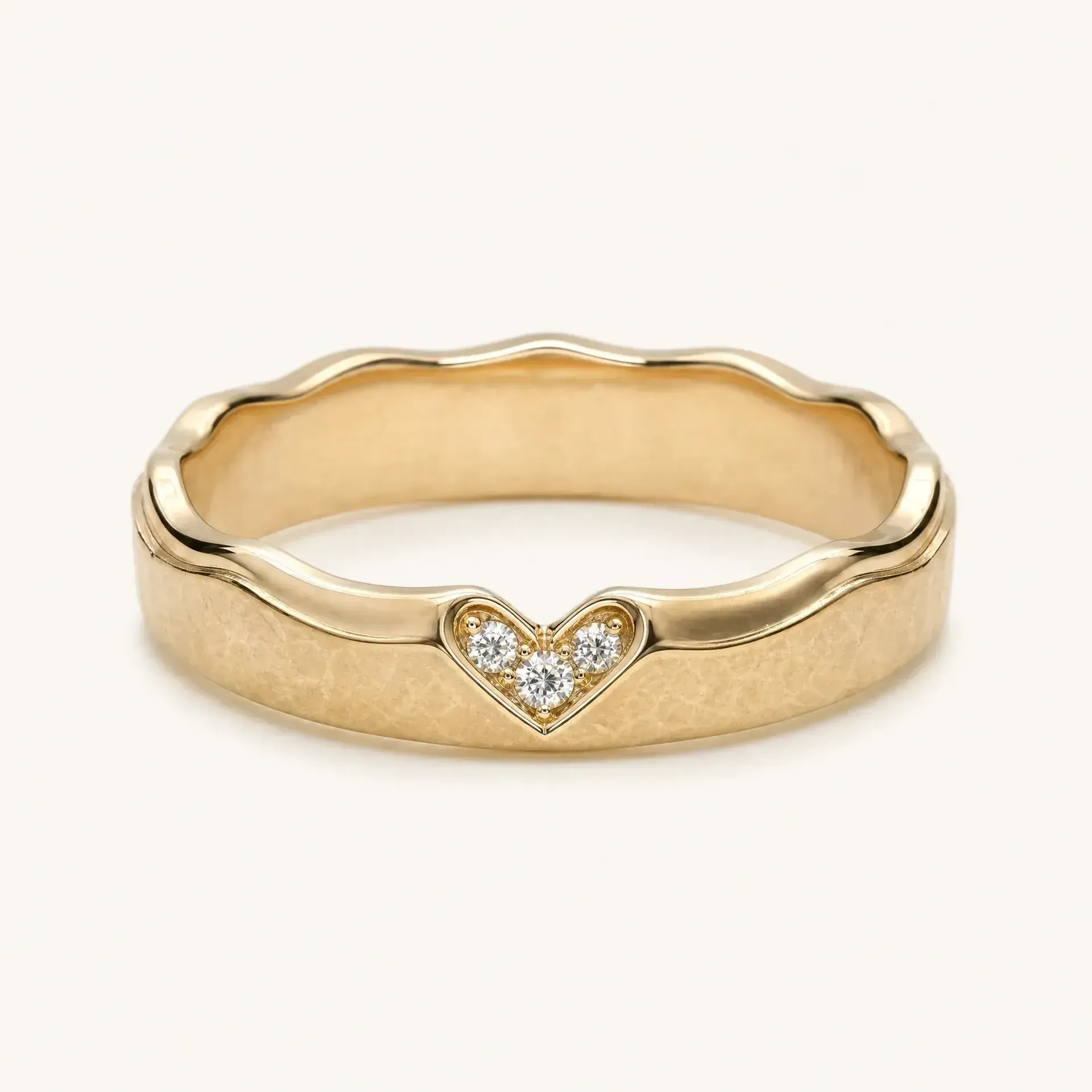
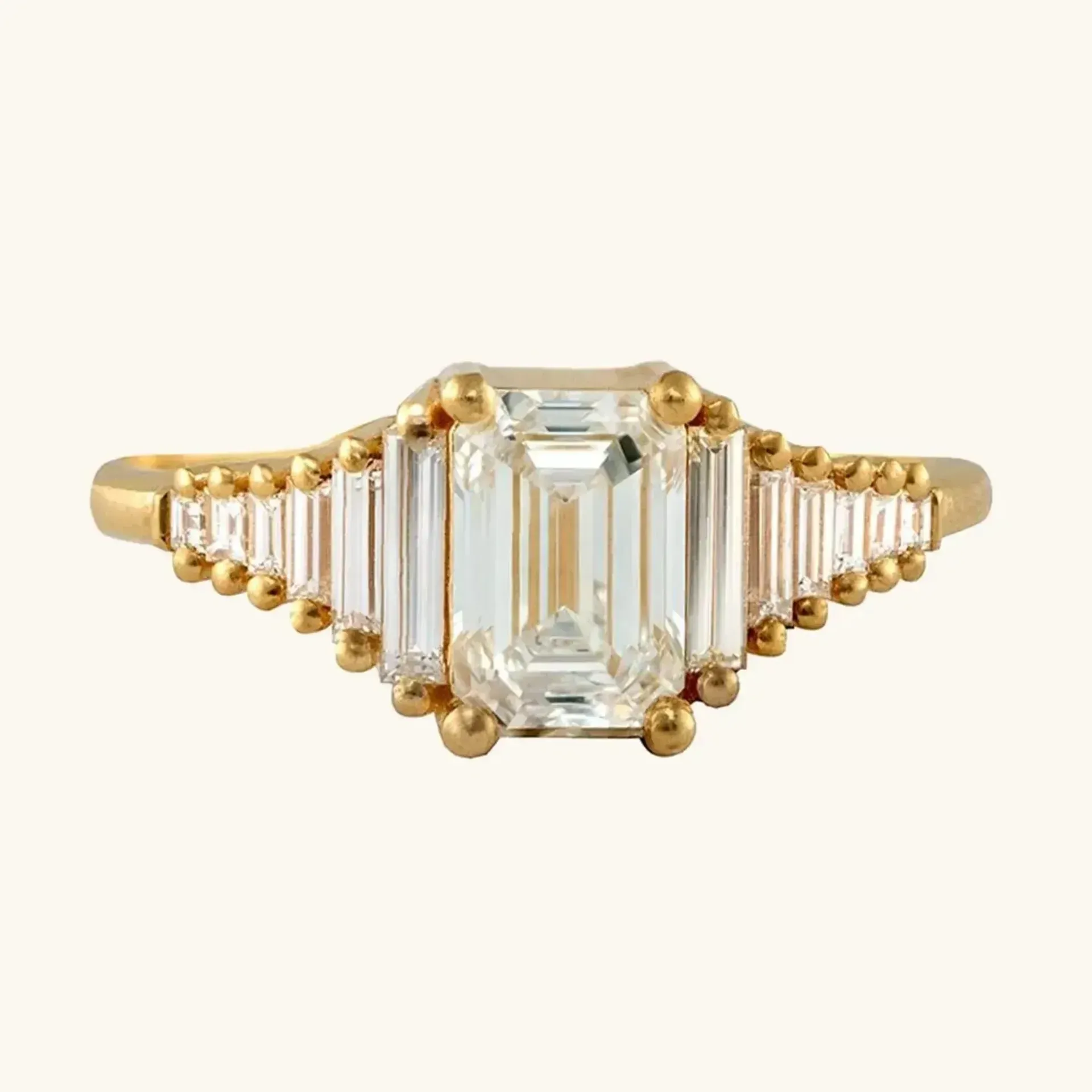
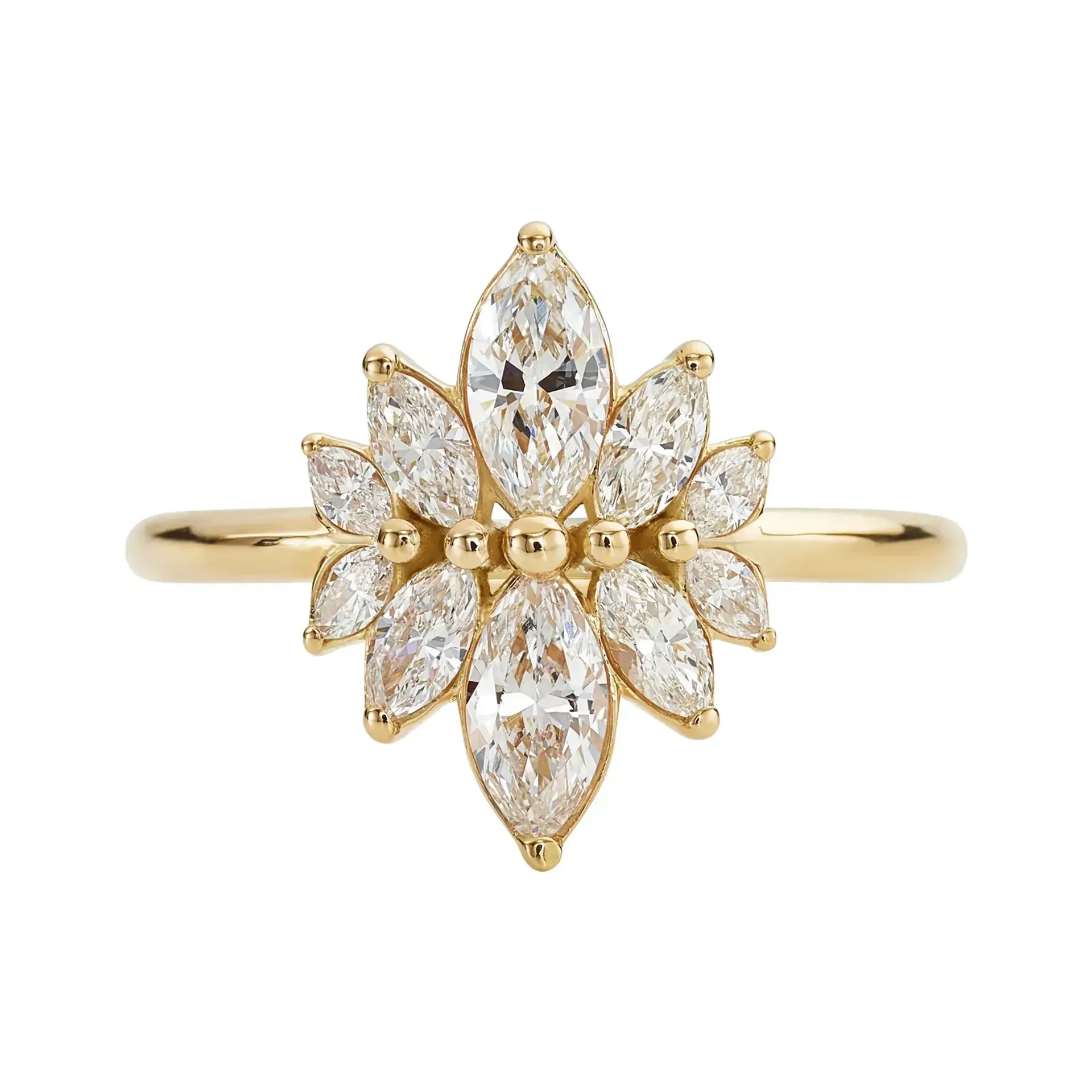
Yellow and rose gold reflect warmth into the stone from below. This masks the stone's own warmth so effectively that an I or J colour stone in 18K yellow gold will read as near-colourless in most conditions. White gold and platinum do the opposite — they reflect cool light, which makes any warmth in the stone more visible by contrast.
A J colour in yellow gold is a different stone to a J colour in platinum. They wear completely differently. Buy colour to match your intended metal, not the other way around.
Face-Up vs Face-Down
Colour grading happens face-down. Diamonds are worn face-up. This is not a minor distinction. When a diamond sits face-up, light enters through the table, bounces around the pavilion, and exits. That journey compresses the appearance of warmth significantly. A stone that shows clear warmth face-down in a lab often looks near-colourless face-up under sunlight.
Most buyers are shown diamonds face-down by sellers who want to justify higher colour grades. Always ask to see the stone face-up in the setting it will actually be worn in.
Skin Tone
The entire colour grading system was developed against pale skin and cool northern light. It was not designed with South Asian skin tones in mind. Against warm and medium-warm skin tones — which is most of the Indian market — a G or H colour stone often looks better than a D or E. The slight warmth in H reads as richness and life against warm skin. A D stone can look cold and lifeless by contrast.
There is no wrong answer here. But if you have warm or medium skin and you are buying for yourself, it is worth asking whether icy colourlessness is actually what you want or whether you have simply been told it is best.
Cut Quality
A well-cut stone returns so much white light that perceived warmth is reduced. An Ideal cut H colour often reads as whiter than a Very Good cut F colour because the superior light return dominates what the eye registers. The opposite is also true — a shallow or deep cut in a colourless stone will look darker and more tinted because light is not returning efficiently.
Cut affects perceived colour. This is one of the reasons cut should always be settled first. The right cut can make your colour budget work harder than you expect.
Carat Weight
Colour becomes more visible as a stone gets larger. A J colour at 0.30 carats will look completely white to almost everyone. The same J colour at 1.50 carats shows warmth clearly, especially in white metal. This is not because the grade changes — it is because there is simply more stone for the warmth to accumulate across. Colour advice that does not account for carat size is incomplete advice.
For smaller daily-wear stones under 0.50 carats, colour matters less than almost any other variable. For stones above 1.00 carat, it starts to matter more. Scale your colour expectations to your carat weight.
Setting Style
A bezel setting wraps metal around the stone's girdle and reflects metal colour into the lower portion of the stone. A yellow gold bezel on an H colour stone effectively warms the stone further from the sides, reinforcing the masking effect. A solitaire prong setting in platinum leaves the maximum amount of the stone exposed to ambient light, which is where colour is most visible.
Setting style is the last variable most buyers think about and one of the first that actually affects what you see. The same stone in a yellow bezel and a platinum claw solitaire looks like two different stones.
Fluorescence — the Most Misunderstood Word in Diamond Retail
Fluorescence is a property of some diamonds where ultraviolet light (sunlight contains a lot of it) causes the stone to emit visible light — almost always blue. Between 25 and 35 percent of diamonds exhibit some fluorescence. The retail industry treats fluorescence as a negative, discounting fluorescent stones consistently. That discount often benefits buyers who understand what fluorescence actually does.
Industry Nuance
Fluorescence — When It Helps, When It Hurts
The trade has known this for decades. It rarely makes it into the retail conversation.
Strong Blue Fluorescence in I / J / K Colour
Often a benefitBlue is the complementary colour to yellow. In outdoor sunlight (which is UV-rich), strong blue fluorescence in a warm-tinted stone actively counteracts the warmth and makes the stone appear one or two grades whiter than its certificate grade. Many trade buyers specifically seek fluorescent I and J colour stones for this reason. You get a near-colourless appearance at a discounted price.
Strong Blue Fluorescence in D / E / F Colour
Potential riskIn truly colourless stones, strong fluorescence occasionally creates an oily or milky appearance, sometimes called "overblue." This happens because the stone is trying to emit blue into an already-white stone, and in some lighting the effect creates a hazy, diffuse quality rather than brilliance. It affects only a fraction of strongly fluorescent colourless stones, but it is worth checking in person under sunlight before purchasing.
Faint or Medium Blue Fluorescence in Any Grade
Essentially neutralFaint and medium fluorescence have no meaningful effect on appearance in most lighting conditions, in any colour grade. The discount these stones carry in the market is largely unwarranted and represents genuine value for buyers who do not need the fluorescence-free premium on their certificate.
Yellow or Orange Fluorescence
Worth notingA small percentage of diamonds fluoresce yellow or orange rather than blue. In warm-tinted stones, this reinforces rather than counteracts the warmth. In outdoor sunlight these stones can appear more visibly warm than their grade suggests. Not disqualifying — but worth knowing about before you buy.
Common Myths
Colour Beliefs Worth Questioning
Where to Spend and Where to Stop
For most Indian buyers buying fine jewellery for daily wear, G and H are the practical sweet spot. They are eye-white in all common lighting, they complement warm and medium skin tones well, they work in both white and yellow metal, and they price meaningfully below D through F without any visible trade-off in wear.
Going below H is a judgment call that depends on carat size, metal choice, and setting style. An I or J colour in yellow gold under 0.75 carats is genuinely hard to distinguish from an H. An I or J in platinum above 1 carat is a different proposition. Know your variables before you decide.
Scenario 01
Yellow or rose gold setting, any carat size
G, H, or even I colour. D through F adds significant cost for zero visible benefit.
Warm metal masks warmth in the stone. You are paying for a colour grade that the setting immediately cancels out. Redirect that budget to cut quality or carat weight.
Scenario 02
Platinum or white gold setting, stone above 0.75ct
G is the practical floor. H is acceptable. Below H, warmth starts to read in white metal at this size.
White metal amplifies warmth. In larger stones it accumulates. G gives you near-colourless appearance in all conditions without the premium of D through F. H works for buyers comfortable with a just-perceptible warmth that most people around them will never notice.
Scenario 03
Daily wear piece, stone under 0.50ct, any metal
H or I. Colour matters least at small sizes. Put the budget into cut.
Under 0.50 carats, warmth simply does not accumulate enough to be visible in normal wear. An I colour round brilliant at 0.30 carats looks white to virtually everyone. Prioritise an Ideal cut at this size and let colour be a secondary consideration.
Scenario 04
I or J colour stone, considering fluorescence
Actively look for medium to strong blue fluorescence. It is a benefit at these grades, not a defect.
Strong blue fluorescence in an I or J colour stone makes it appear near-colourless in sunlight. These stones are discounted in the market because uninformed buyers avoid them. That discount makes them genuinely good value. View in outdoor light before purchasing to confirm there is no milkiness.